Occupational Health Risks in the Healthcare Industry
May 6, 2025Healthcare professionals in nursing homes, hospitals, and long-term care facilities dedicate themselves to the vital work of caring for others. This deeply rewarding field, however, presents unique occupational health risks. Employees may encounter challenges such as exposure to infectious diseases, the physical demands of handling patients, contact with chemical disinfectants, and significant workplace stress. Recognizing these potential hazards and implementing effective control measures is paramount for protecting the well-being of your staff and ensuring the highest quality of patient care. Midtown Occupational Health understands these specific challenges and is committed to partnering with healthcare organizations like yours to create safer and healthier work environments.
Why It Matters
Protecting healthcare workers from harm is not only a moral responsibility; it also ensures more consistent, compassionate patient care. When staff members feel safe and supported, they’re more likely to perform their duties efficiently and remain engaged in their work. Ultimately, a healthy workforce leads to better outcomes for patients, improved job satisfaction, and reduced turnover.
Common Occupational Health Risks
Occupational health hazards are a reality in many workplaces, but particularly for healthcare professionals who face unique challenges daily. From exposure to infectious diseases to physical strain, understanding these risks is the first step toward creating a safer work environment. Common health risks include:
- Biological Hazards
- Infectious Diseases: Healthcare workers are at risk of exposure to a range of pathogens (e.g., influenza, hepatitis B, COVID-19) through patient contact, bodily fluids, and contaminated surfaces.
- Needlestick Injuries: Even a momentary lapse can result in exposure to bloodborne pathogens.
- Musculoskeletal Disorders (MSDs)
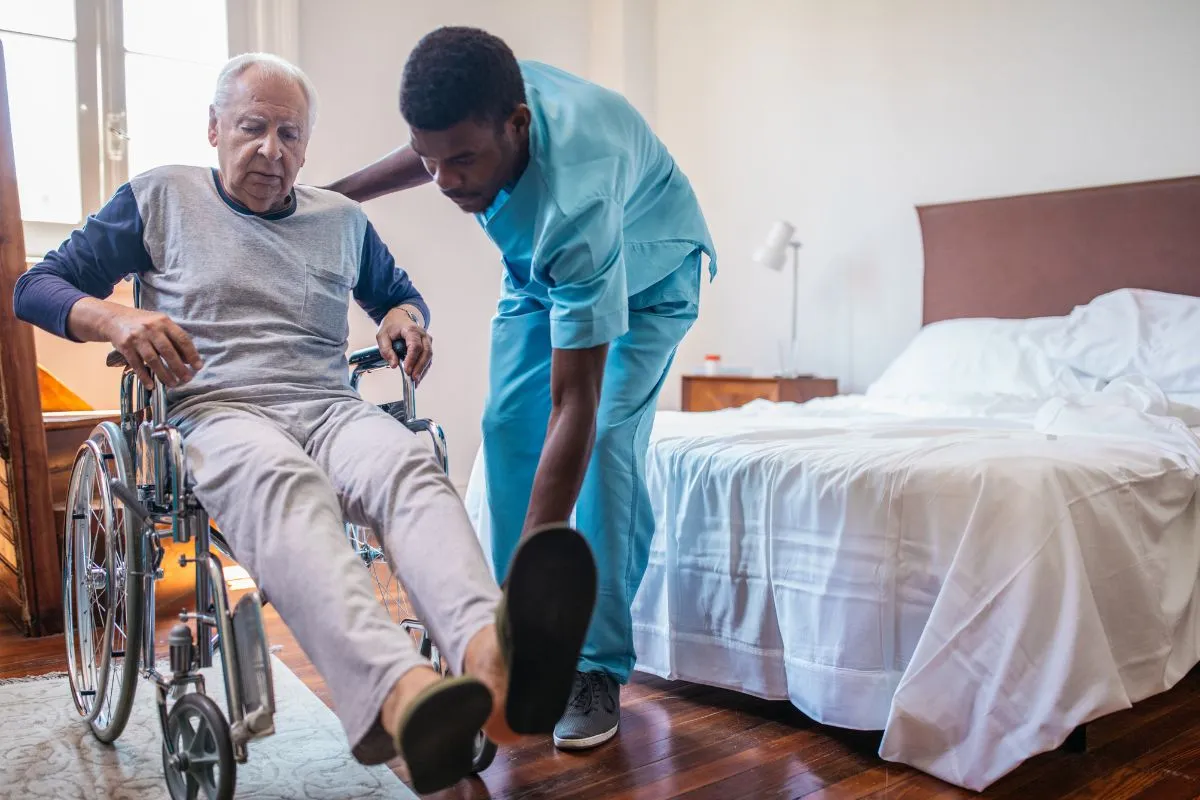
- Lifting and Transferring Patients: Repetitive lifting, repositioning, and moving residents can lead to back strains, herniated discs, and other MSDs.
- Poor Ergonomics: Awkward postures, cramped work areas, and inadequate equipment can exacerbate fatigue and injuries.
- Chemical and Environmental Hazards
- Cleaning Agents and Disinfectants: Frequent use of chemicals to maintain sanitary conditions can cause skin irritation, respiratory issues, or allergic reactions if not handled properly.
- Hazardous Drugs: Some medications prepared or administered by healthcare workers are cytotoxic or otherwise harmful if mishandled.
- Physical and Safety Risks
- Slips, Trips, and Falls: Wet floors, cluttered hallways, and uneven surfaces can lead to accidents.
- Radiation and Lasers: Those working with imaging equipment or specialized treatments face exposure risks if safety protocols are not followed.
- Workplace Violence and Stress
- Aggressive Behavior: Patients with dementia or mental health conditions may become combative, putting staff at risk of physical harm.
- Emotional Strain: High patient-to-staff ratios, long shifts, and emotionally charged situations can lead to burnout, anxiety, and depression.
Strategies for Risk Reduction and Compliance
Effective safety measures combine proactive planning, proper training, and accessible resources. By addressing infection control, ergonomics, chemical safety, and stress management, organizations can create a culture of safety that benefits both employees and patients. Below are strategies that can help reduce risks in the workplace:
- Infection Control Protocols
- Vaccinations and Screenings: Encourage flu shots, COVID-19 boosters, and regular health screenings.
- Proper PPE: Provide gloves, masks, gowns, and face shields. Train staff in donning and doffing PPE correctly.
- Hand Hygiene: Reinforce frequent and proper handwashing practices, along with the use of alcohol-based hand sanitizers.
- Safe Patient Handling and Ergonomics
- Mechanical Lifts and Transfer Devices: Reduce strain by supplying equipment designed to help move patients safely.
- Adjustable Furniture and Workstations: Ensure beds, chairs, and counters are at proper heights. Provide standing mats to reduce fatigue.
- Training: Teach staff proper lifting techniques, stretching exercises, and best practices to prevent back injuries.
- Chemical and Hazard Communication
- Labeling and SDS: Keep Safety Data Sheets accessible and properly label all chemicals.
- Ventilation Systems: Ensure good ventilation to disperse fumes from cleaning agents and disinfectants.
- PPE for Chemicals: Provide appropriate gloves, masks, or respirators when handling hazardous substances.
- Physical Safety Measures
- Floor Maintenance: Quickly clean spills, use non-slip mats, and mark wet areas.
- Equipment Maintenance: Regularly inspect equipment and remove or repair anything that poses a hazard.
- Radiation Safety: Train workers on proper shielding and limiting exposure time, and maintain up-to-date equipment inspections.
- Workplace Violence Prevention and Stress Management
- De-Escalation Training: Teach staff how to recognize signs of agitation and diffuse tense situations with patients or visitors.
- Staffing Levels and Scheduling: Maintain adequate staffing to reduce workload and provide regular breaks.
- Mental Health Resources: Offer counseling, stress-management workshops, and peer support programs.
Creating a Culture of Safety
Establishing a robust safety culture is essential for any organization aiming to protect its workforce and enhance overall performance. By prioritizing safety, promoting open communication, and ensuring continuous training, companies can create an environment where employees feel valued and protected. Here are the first steps to improve your safety culture:
- Management Commitment: Leadership should clearly prioritize safety, dedicating resources and support to health initiatives.
- Open Communication: Encourage employees to report hazards and near-misses without fear of retaliation.
- Regular Training and Refreshers: Continuous learning keeps staff up-to-date on best practices and reinforces a proactive approach to safety.
Benefits of a Safe Work Environment
Establishing a robust safety culture is essential for healthcare organizations aiming to protect their staff and patients. When leadership actively prioritizes safety by allocating resources and supporting health initiatives, it sets a precedent that permeates the entire organization. A safe work environment can have the following positive outcomes:
- Employee Retention and Morale: Workers who feel valued and protected are more likely to stay and perform well.
- Reduced Costs: Fewer injuries mean lower medical costs, compensation claims, and lost productivity.
- Enhanced Patient Care: Healthy, confident staff members provide better care, improving patient satisfaction and facility reputation.
Partner with Midtown to Keep Your Employees Safe and Healthy
The healthcare industry, from nursing homes to hospitals, presents a wide array of occupational health risks, ranging from biological hazards to ergonomic challenges. By implementing comprehensive safety measures, fostering open lines of communication, and cultivating a supportive workplace culture, employers can effectively protect their dedicated staff and ultimately enhance the quality of care provided to patients. With the right management strategies, thorough training programs, and readily available resources, healthcare workers can focus on their critical mission of helping those in need, secure in the knowledge that their own health and well-being are a priority. Midtown Occupational Health is here to help you navigate these complexities and build a safer, healthier, and more resilient healthcare workplace. Contact us today to explore how our specialized occupational health services can support your facility and your valued employees.
© 2026 Midtown Occupational Health Services