Staying Compliant with OSHA’s Hazard Communication Standard
June 3, 2025Hazardous chemicals are a part of many work environments, from manufacturing to construction to healthcare. OSHA’s Hazard Communication Standard (HCS), also known as the “Right-to-Know” law, was created to ensure that workers understand the risks of chemical exposure and know how to protect themselves. Compliance isn’t just a legal requirement;it’s essential for maintaining a safe, healthy workplace.
Why Hazard Communication Matters
Chemicals can pose serious risks including burns, respiratory problems, and long-term illnesses. Clear, consistent communication about those risks helps prevent injuries and keeps employees safer on the job. A strong hazard communication program also fosters trust and accountability throughout the organization.
Core Elements of an OSHA-Compliant HCS Program
To meet OSHA’s requirements under the Hazard Communication Standard, employers must include the following components in their program:
Chemical Inventory
Keep an up-to-date list of all hazardous chemicals used or stored in the workplace. This inventory must be accessible to all employees and regularly reviewed for accuracy.
Safety Data Sheets (SDS)
Every hazardous chemical must have a current SDS in the standardized 16-section OSHA format. These sheets must be easily accessible to employees at all times.
Labeling
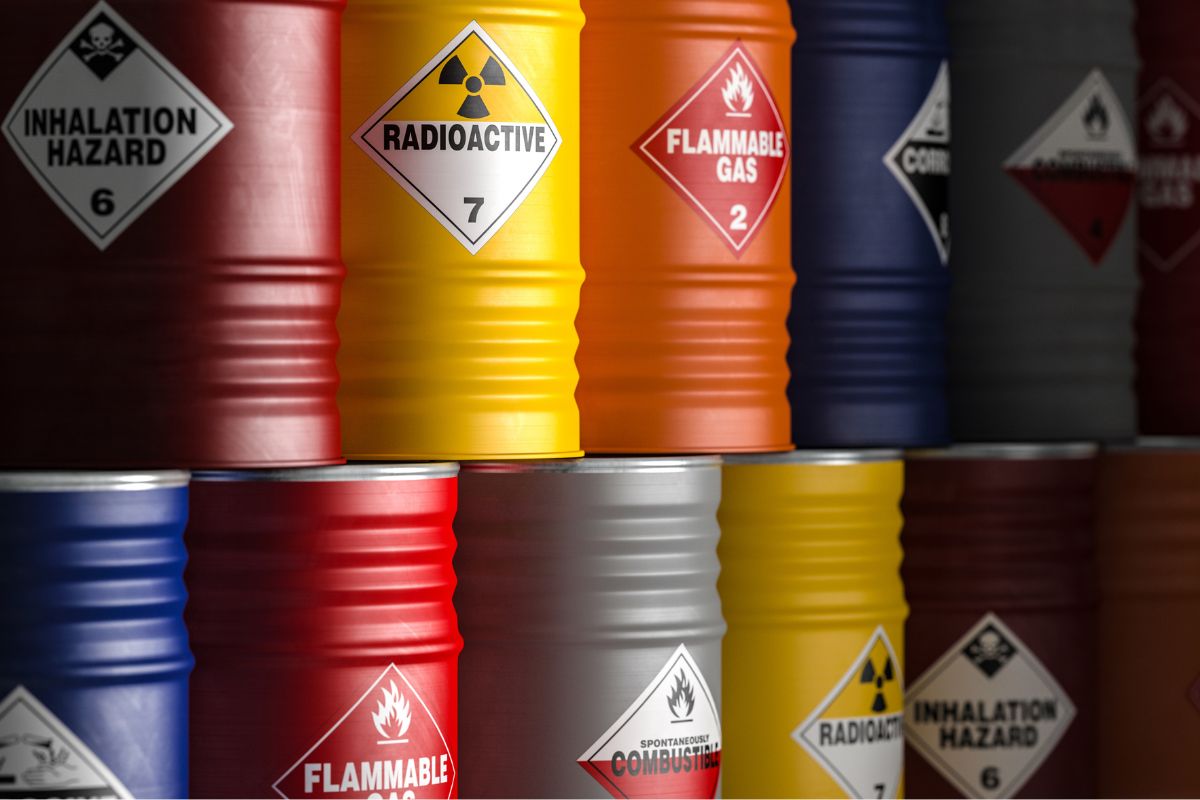
Chemical containers must be clearly labeled with product identifiers, hazard statements, signal words, pictograms, and supplier information. Secondary containers must also be labeled unless they are used immediately by the employee who filled them.
Employee Training
Employees must be trained on the hazards they may be exposed to, how to read labels and SDS, how to handle chemicals safely, and what to do in case of an emergency. Training must be provided at the time of initial assignment and whenever new hazards are introduced.
Written Hazard Communication Program
A written plan is required and should outline how chemical hazards will be identified, labeled, communicated, and documented. This is especially important at multi-employer worksites where contractors and visitors may also need to be informed.
Supporting Compliance with Medical Surveillance
For workplaces with chemical exposure risks, OSHA may also require medical surveillance exams. These exams help monitor worker health over time and ensure that early signs of exposure-related illness are detected and addressed.
Midtown Occupational Health offers OSHA-compliant medical surveillance exams for exposures including asbestos, lead, silica, and hazardous materials, as well as respirator and hearing conservation programs. These services can complement your internal hazard communication efforts and help meet broader compliance requirements.
Creating a Safer Workplace
A well-executed hazard communication program does more than check a regulatory box—it reduces the risk of injury, builds employee confidence, and supports a culture of safety. Regular program reviews, clear documentation, and ongoing education are key to keeping your team informed and protected.To learn more about OSHA medical surveillance exams or other occupational health services, contact Midtown Occupational Health today.
© 2026 Midtown Occupational Health Services