Workplace Wellness: Prioritizing Indoor Air Quality This Winter
December 1, 2025As Denver’s temperatures drop, many workplaces deal with sealed windows and heating systems that recirculate indoor air, factors that can affect both comfort and health. Dry, stagnant indoor air can aggravate respiratory issues, increase the spread of germs, and exacerbate allergies. By prioritizing indoor air quality (IAQ) during the colder season, safety managers and employers can help maintain a healthier, more productive work environment, which is a key part of building a safer, healthier workforce.
Why Winter IAQ Matters
When windows and doors stay closed to retain heat, fresh air circulation plummets, which can lead to a buildup of pollutants such as dust and chemical fumes. This doesn’t just affect health. Cold and flu viruses thrive in poorly ventilated indoor spaces. Dry air also decreases the body’s natural defenses, making it easier for pathogens to infect the respiratory system. A focus on good IAQ helps everyone feel more comfortable and focused, which can improve morale and overall productivity.
Practical Steps for Improving Indoor Air Quality in Winter
Improving IAQ doesn’t have to be expensive. Small, cost-effective adjustments can make a significant difference in reducing pollutants and promoting better health.
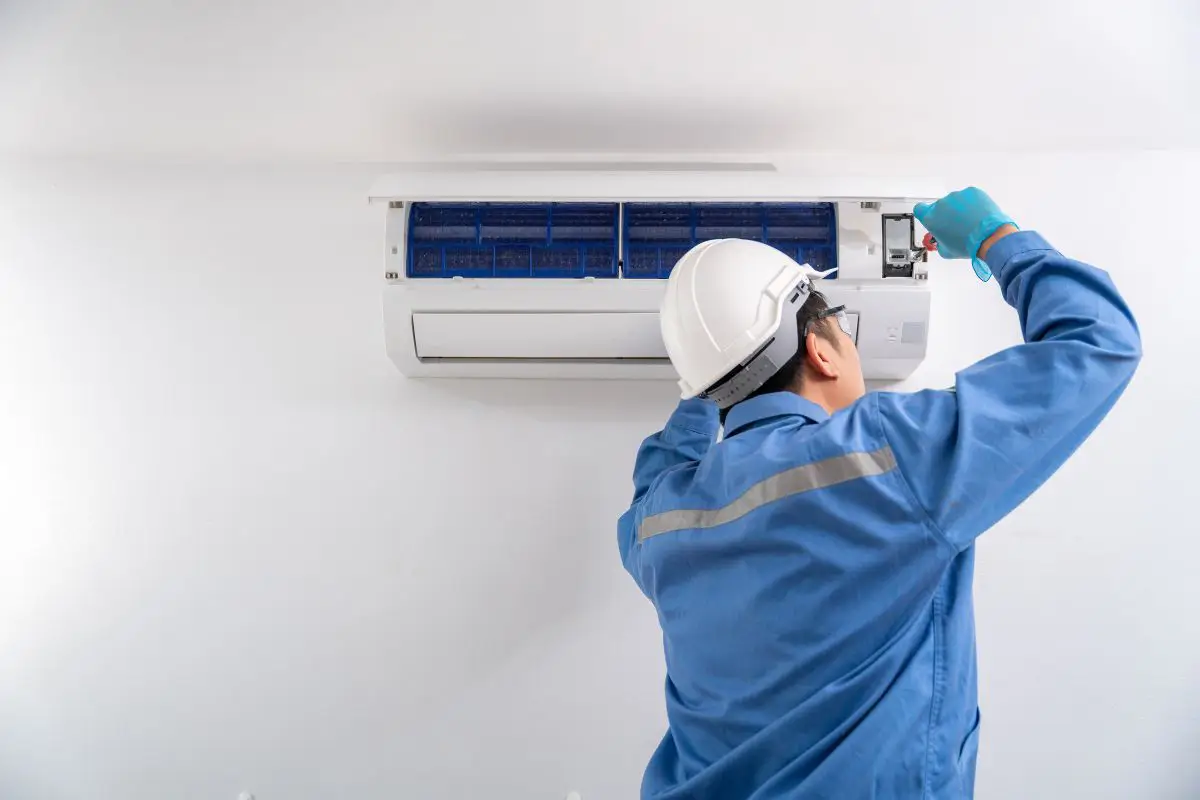
- Optimize HVAC Systems: Schedule routine maintenance to clean or replace filters, as dust and other particles can accumulate rapidly. Keep indoor temperatures consistent to help retain some moisture in the air.
- Use Humidifiers Wisely: Aim for a relative humidity (RH) between 30% and 50% to prevent the air from becoming too dry or prone to mold growth. Remember to clean and disinfect humidifiers to prevent bacterial or mold buildup.
- Increase Ventilation When Possible: Even brief intervals of opening windows can introduce fresh air. You may also consider portable air cleaners with HEPA filters where ventilation isn’t feasible.
- Manage Indoor Pollutants: Keep cleaning supplies and chemicals sealed. Consider switching to low or no-VOC (volatile organic compound) paints and cleaning products. Regularly clean floors and surfaces.
- Encourage Personal Health Practices: Promote frequent handwashing and place sanitizers around the workplace. Remind employees to drink water to combat dehydration from dry indoor air and provide healthy snack options to support immune health. Urge employees to stay home if they are sick to reduce the risk of an outbreak.
How Midtown Occupational Health Can Help
A proactive approach to workplace health can help reduce injuries, minimize lost work time, and promote a stronger, more resilient workforce. Midtown Occupational Health believes that injury prevention and employee wellness go hand-in-hand. Our services, such as OSHA medical surveillance exams and general employee wellness programs, are designed to help employers identify risks early and support overall employee health. We partner with employers to help them proactively avoid critical health risks and ensure a healthy, productive workforce. By addressing the root causes of illness and injury, you can help reduce workers’ compensation costs and improve employee morale and retention.