Elite Ergonomics: Boosting Performance in the Denver Workplace
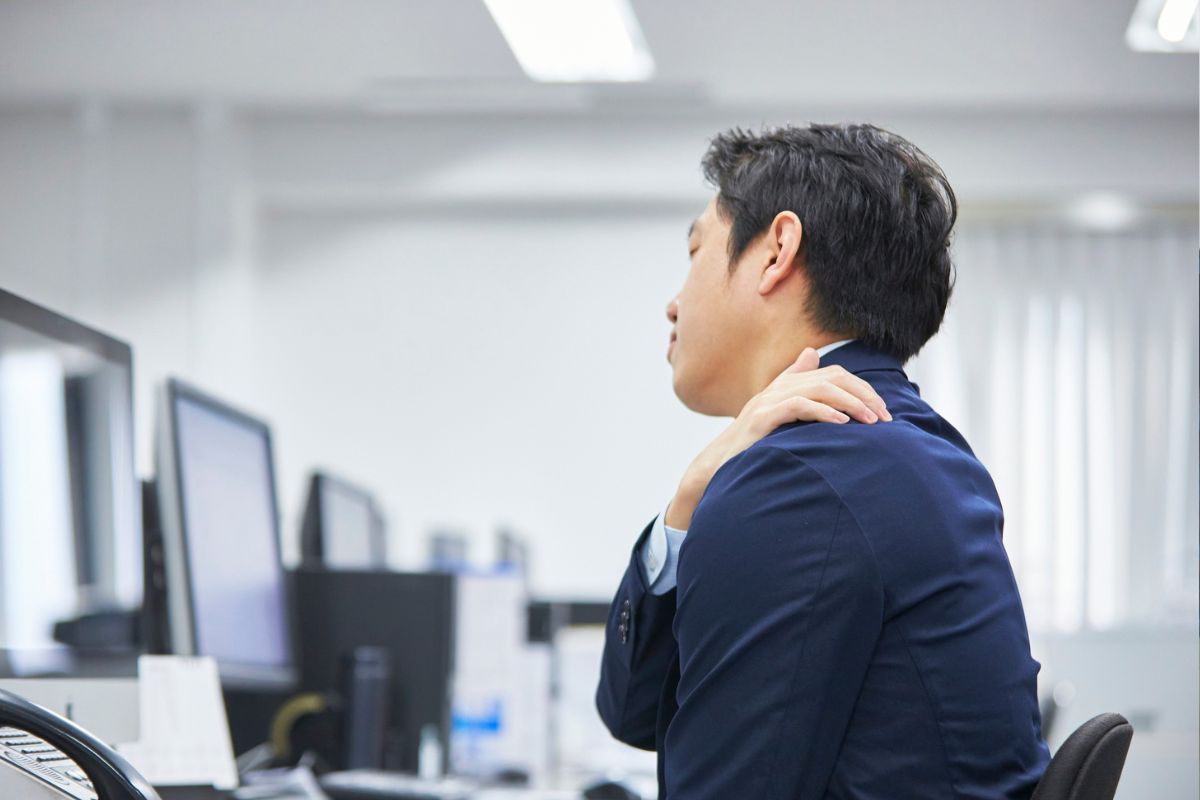
May 15, 2026In the high-energy Denver business landscape, maintaining a competitive edge requires a workforce operating at peak performance. While many safety programs focus on visible hazards, the most frequent source of downtime and rising indemnity costs is often hidden in plain sight at an employee’s own workstation. At Midtown Occupational Health, we apply the same elite sports medicine principles used to keep professional athletes on the field to help your employees avoid Musculoskeletal Injuries (MSIs). By integrating advanced ergonomic strategies into your workplace, you can transform your environment from a source of strain into one that fosters long-term health and productivity.
Why Ergonomics Impacts Your Bottom Line
Ergonomics is the science of designing the job and workspace to fit the worker. When a job is poorly designed, it forces the employee into awkward postures or subjects them to repetitive motions, which are primary causes of discomfort and fatigue. For any business, the benefits of a partner-driven ergonomic strategy are significant:
- Increased Focus and Comfort: Comfortable employees are less prone to fatigue and reduced mental sharpness. This allows your team to sustain concentration for longer periods and remain an asset to the company.
- Preventing Long-Term Health Issues: Chronic discomfort can escalate into serious musculoskeletal issues that keep workers off the job for weeks. Advanced ergonomics addresses these physical demands early.
- Cost Mitigation: MSK pain leads to an average of 4.6 lost workdays per employee. Addressing these risks proactively helps Denver businesses manage their experience-mod factor and keep overall workers’ compensation costs down.
Identifying Common Workplace Hazards
MSIs and related discomfort can affect workers in virtually any industry, from those in the Diamond Hill area performing office tasks to workers in the field handling heavy equipment. Identifying these hazards is the first step toward reaching a maximum level of recovery and prevention:
- Repetitive Motions: Performing the same task repeatedly without adequate rest, which is common in data entry or packaging roles.
- Forceful Exertions: Pushing, pulling, or lifting heavy objects that strain the ligaments and joints.
- Awkward Postures: Working with wrists bent, reaching overhead, or stooping in confined spaces.
- Contact Stress: Sustained pressure on soft tissues, such as resting forearms on sharp desk edges.
The Midtown Pro-Level Strategy
Our leaders are dedicated to re-imagining how employee wellness is delivered in Colorado. We offer a white-glove experience that goes beyond basic workstation checks:
- Aggressive Diagnostics and Onsite Rehabilitation: If a worker does report discomfort, our doctor-owned clinic provides immediate access to physical therapy, chiropractic care, and hand therapy to ensure a fast return to full function.
- Functional Capacity Evaluations (FCEs): We use international standards to objectively test an employee’s capacity, ensuring that any workspace adjustments are based on clear, clinical data.
Building a Culture of Safety
A focus on ergonomics is a clear demonstration that your organization values the well-being of its team. By reducing physical strain, you promote a positive work culture and ensure your employees return home healthy to their families. Midtown Occupational Health has been Denver’s leading provider since 1982, and we are committed to being your number one resource for employer health and safety.
Partner with our Level II accredited physicians to implement a tailored ergonomic program that safeguards your team’s health and your company’s bottom line.
© 2026 Midtown Occupational Health Services