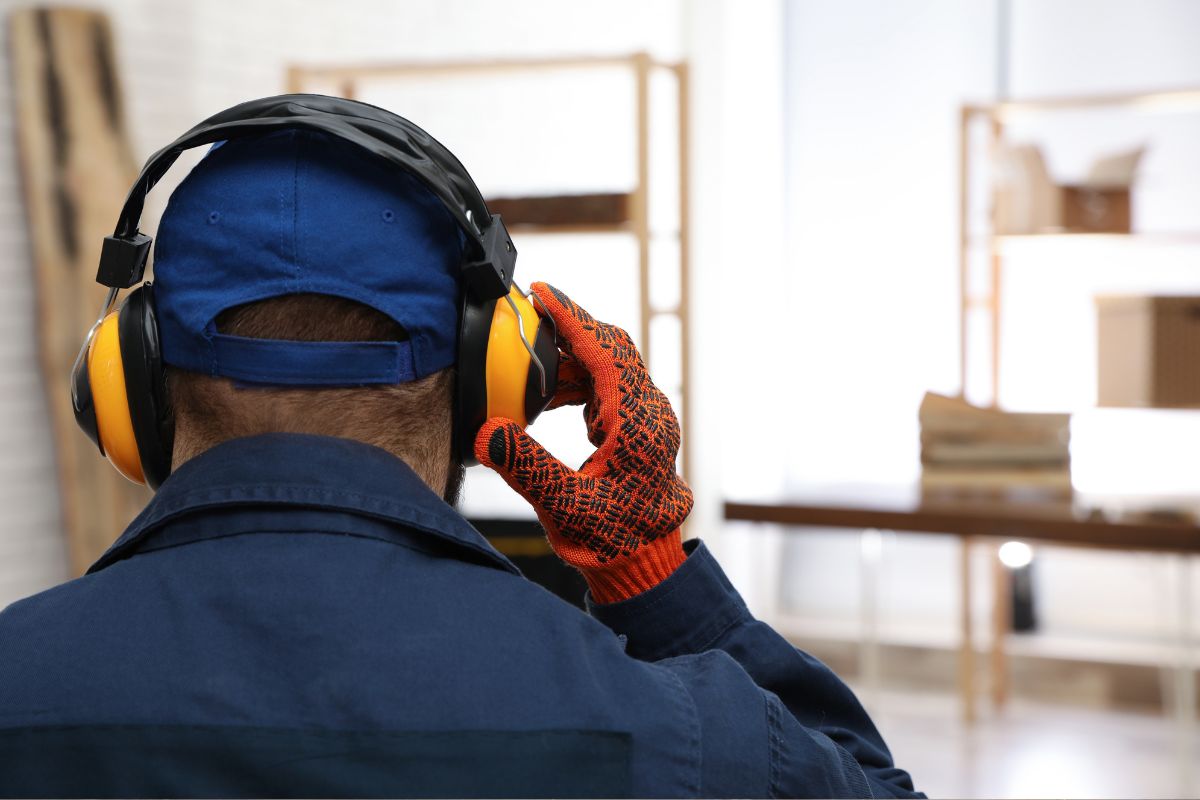
Specialized Hearing Conservation: Clinical Precision for the Seasonal Workforce
July 1, 2026The roar of equipment during the seasonal surge along the I-25 corridor is more than a distraction; it represents a constant, invisible risk to your team’s long-term health. High-volume noise from heavy machinery and construction projects is at its peak during these busy summer months. At Midtown Occupational Health, we view hearing conservation as a critical clinical priority. Our provider-owned practice focuses exclusively on the specialized medical needs of the workforce. Protecting your employees’ hearing is a vital component of maintaining a safe and resilient team.
Why Hearing Conservation is a Business Asset
In the workplace, noise is a unique hazard because the damage it causes is often permanent and cumulative. Exposure to noise levels at or above 85 decibels over an eight-hour shift can lead to irreversible hearing loss. A proactive Hearing Conservation Program (HCP) is a strategic move that goes beyond simple compliance.
- Safety and Spatial Awareness: Hearing is essential for detecting warning signals and identifying hazards on the job site.
- Regulatory Compliance: OSHA mandates specific actions, including audiometric testing, when noise exposure reaches certain limits.
- Cost Control: Preventable hearing loss claims can drive up workers’ compensation costs and lead to unnecessary litigation.
- Provider-Owned Care: Because we are doctor-owned, we prioritize patient outcomes and employer needs over corporate benchmarks.
Core Elements of a Clinical-Grade HCP
A comprehensive program requires clinical sophistication and diligent management. Midtown Occupational Health provides the specialized expertise needed to handle these complex requirements at a single site:
- Audiometric Testing: Establishing a baseline audiogram for all exposed employees is the first clinical step. Annual tests then track any changes to ensure early intervention if a Standard Threshold Shift (STS) is detected.
- Level II Accredited Oversight: Our providers are specifically trained in the complexities of the Colorado Workers’ Compensation system. This expertise ensures that diagnoses are accurate from the start, which helps prevent litigation creep.
- OSHA Required Physicals: We perform regulatory examinations and medical surveillance to ensure your organization meets all federal and state mandates.
- Accurate Recordkeeping: Clear, centralized documentation is your primary defense against unwarranted claim costs. We maintain all medical notes in one location to simplify management for HR and safety managers.
- Bilingual Services: Our Spanish-speaking staff is available during all operating hours. This ensures that safety protocols and the proper use of hearing protection are clearly communicated to your entire workforce.
Best Practices for Seasonal Noise Control
During the peak summer rush, industries like construction and field services face increased noise from heavy equipment. Employers can take practical steps to mitigate these risks.
- Identify High-Risk Zones: Periodically review work areas to identify where noise levels are highest and require enrollment in a conservation program.
- Prioritize Equipment Maintenance: Ensure all machinery is well-maintained to reduce noise at the source through engineering controls.
- Streamline Testing: Use our all-in-one site for physicals and screenings to reduce wait times and get your workers back on the job faster.
Partner with Occupational Health Experts
Midtown Occupational Health has served the Denver metro area since 1982. We provide the precision diagnostics and clinical precision necessary to navigate workers’ compensation cases with clarity. By treating your employees with specialized clinical care, you protect their health and your company’s bottom line.
Contact Midtown Occupational Health today to discuss how our provider-led services can support your hearing conservation and workforce readiness goals.
© 2026 Midtown Occupational Health Services